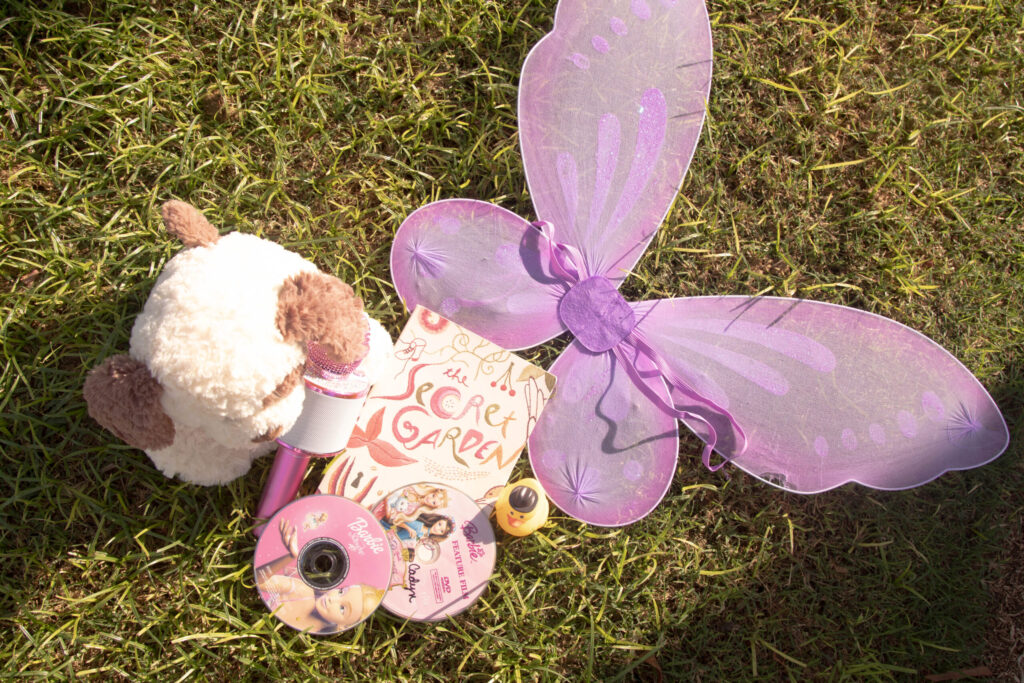
Amid busy routines, ever-changing schedules and constant growth, we all crave comfort. What better way to find it than by remembering the good old days?
Nostalgia is its own unique feeling, a bittersweet memory so vivid and tangible that it pairs the good with the bad and the past with the present. If nostalgia can bring both sadness and comfort, why do we keep going back?
Dr. Yvonne Thai, professor of sociology, explained that nostalgia can be about more than simply missing an old movie. She described the idea of “reflective nostalgia,” a concept associated with theorist Svetlana Boym.
“[Reflective] nostalgia is not just being homesick, it’s not just longing, but it is deeper than that… It is an aching for those good feelings and a simpler past,” Dr. Thai said.
The concept involves longing for the feelings and experiences of the past while recognizing that those moments are gone. When people return to childhood movies, music or other forms of old media, they may be trying to reconnect with the emotions associated with those experiences.
As younger generations encounter increasing amounts of digital content, Thai said they may seek simplicity by rediscovering traditional hobbies and forms of entertainment associated with previous generations.
Isabelle Frank, sophomore nursing major, returns to nostalgic media to reconnect with childhood memories. Many of those memories are tied to music and the people she grew up with, including listening to the Goo Goo Dolls in the car with her mom.
“You return to nostalgic things to remember a better time in your life. Or just loneliness, when you are feeling lonely, you do want to go back to better times. People often return to nostalgic memories when lonely or in need of comfort,” Frank said.
Music became a source of nostalgia for other students as well.
Khymora Edralin-Cody, freshman interior design major, has found a similar sense of comfort in revisiting media from her childhood.
She remembers dancing to music from Disney’s “Frozen” and songs such as “Gangnam Style,” when childhood felt carefree. Revisiting those memories allows her to reconnect with some of those feelings.
“Feeling like a little kid is a little sad. It is comforting, though, like a sweet sadness,” Edralin-Cody said.
Nostalgia’s comforting effect may extend beyond the memories connected to old media. Unlike newer forms of media that often encourage users to interact, create, scroll and respond, movies and television traditionally allowed audiences to consume content more passively.
Thai explained that sitting down to watch an old film can offer a leisurely experience without the constant switching between different forms of content that often comes with digital media.
“New media is more interactive. You are not passively consuming the content; you are creating it. We are now both producers and consumers. New media is different; it requires us to engage,” Thai said.
Ultimately, revisiting the past can bring a mix of emotions, but it can also provide a unique kind of comfort. Nostalgia allows people to reconnect with moments, people and experiences that once mattered to them. What was meaningful in the past can continue to shape who we are in the present.