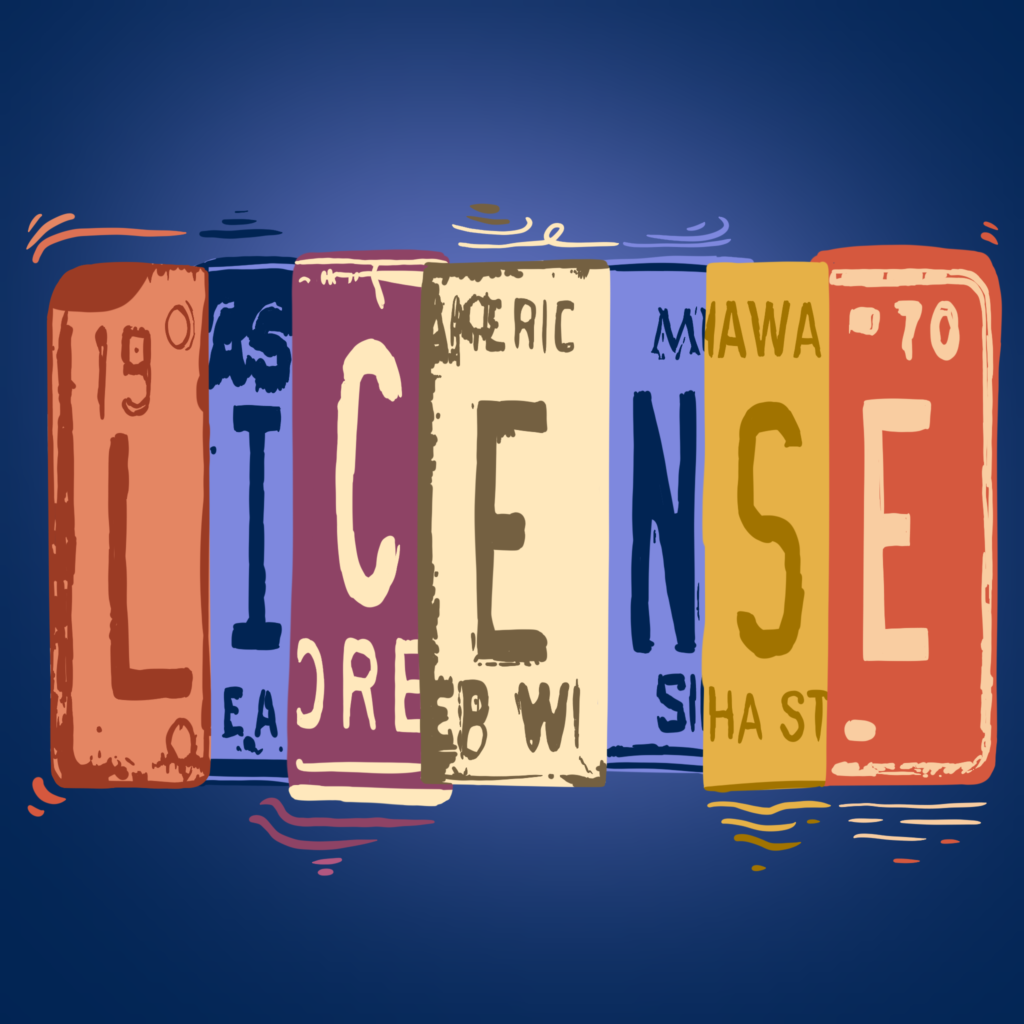
After 46 years, California has changed the sequence used for standard license plates. The previous format, which began in 1980, consisted of one number, three letters and three numbers.
The California Department of Motor Vehicles began producing a new reverse configuration in 2026 after exhausting the previous sequence. The new format consists of three numbers, three letters and one number.
The change has caught the attention of some California Baptist University students who are beginning to notice the new plates on the road.
Marissa Castro, junior exercise science major, reflected on the transition to the new license plate format.
“I guess it’s kind of odd, but I guess if it makes it easier on their end then why not,” Castro said.
The new format also changes what drivers are accustomed to seeing on California plates.
“I think it would be pretty hard because most of them are kind of just in the same sequence range,” Castro said.
The change also raised questions among students about how California will continue accommodating newly registered vehicles in the future.
Eric Hunter, sophomore pre-nursing major, considered what future changes to the license plate system could look like.
“They’re going to keep making cars [and] they’re going to keep making license plates. People are going to keep needing cars so they’re going to keep finding a new system,” Hunter said.
Others explored how the new sequence could affect options such as personalized plates.
Dr. Carnell Borden, assistant professor of business analytics, offered another perspective on how the new sequence could affect California drivers.
“I mean if we think in terms of vanity plates, it probably creates more opportunities to get a vanity plate that you want at least in the short term,” Borden said.
Borden reflected on the history of license plate changes in California.
“Well, I’m old enough that I’ve personally encountered it twice since I’ve been a licensed adult, because it happened in 1980. It’s happened four times altogether in our state,” Borden said.
California’s new license plate sequence marks another shift in a system that has changed several times throughout the state’s history. As the new configuration becomes more common, drivers will begin seeing a different combination of numbers and letters on newly issued plates.