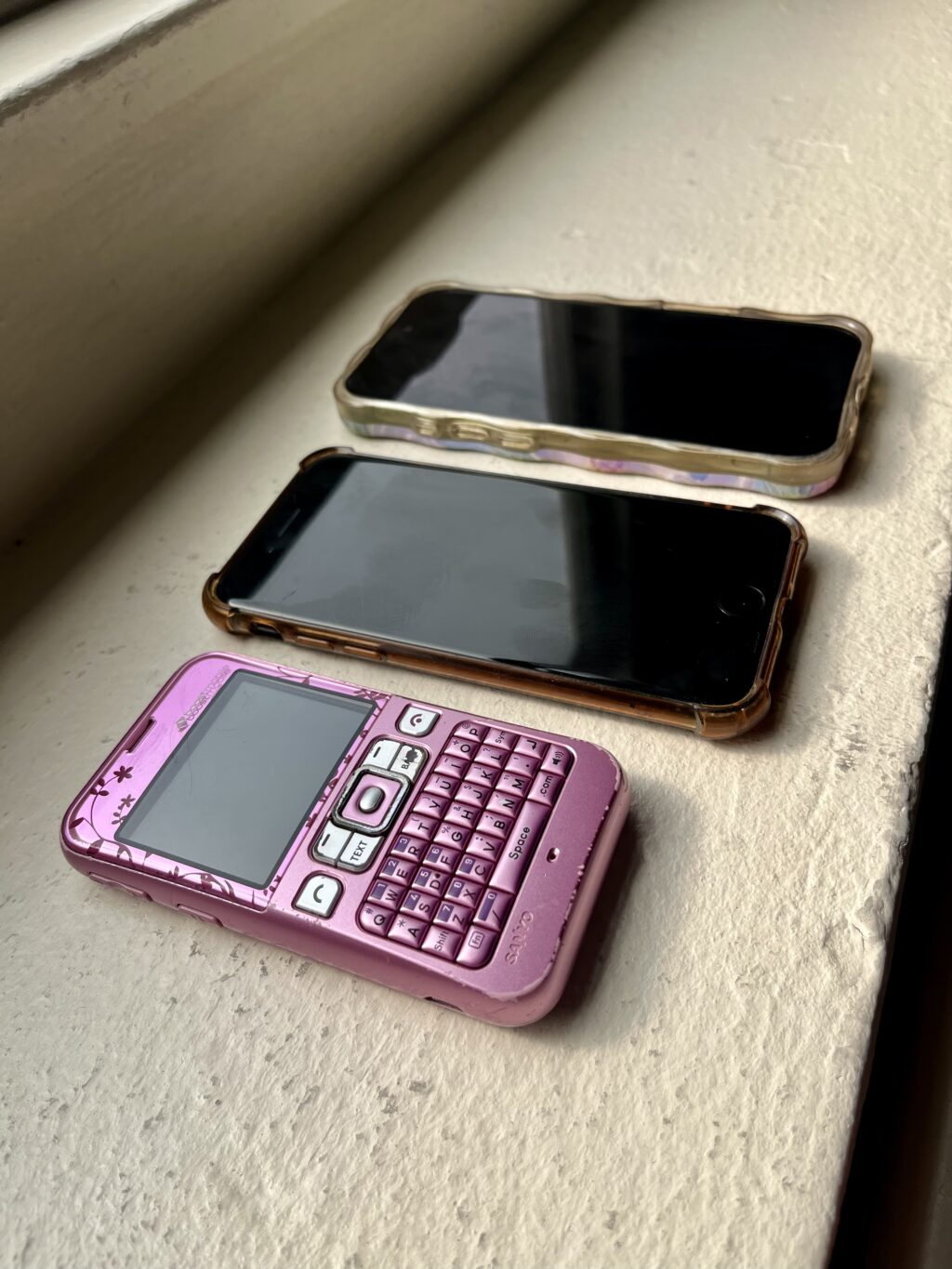
The flip phone emerged in the 1990s, changing expectations for mobile technology and the way people communicated. Small, portable devices made it easier for people to stay connected wherever they went.
Flash forward to today, when access to the internet can fit in a person’s back pocket. Phones have greatly improved since the 1980s, but how far is too far when it comes to technology? Has society reached a point where advanced technology can sometimes hurt people more than it helps?
Some students at California Baptist University said they would consider switching from their modern smartphones to flip phones. One reason is the decrease in distractions compared with smartphones, where apps such as YouTube, Instagram and TikTok are constantly available.
Slade Watson, sophomore aviation flight major, reflected on what students could gain from using a simpler phone.
“I think the best benefit would obviously be no social media. So you have that less addictive side of the phone. And it’s people just using the phone more to connect and actually talk to people than scroll endlessly all day,” Watson said.
Without the same access to social media and other apps, flip phones offer fewer opportunities for digital distractions.
Maylani Cruz, junior pre-nursing major, believes smartphones have not only distracted people from school and work but have also affected the way people interact with one another.
“I definitely feel that there has been a lack of social skills that are being used nowadays. I think just even the simple, ‘hi,’ ‘bye,’ ‘please’ and ‘thank you’ has really gone away and I think its because most people now are uncomfortable with the thought of a conversation. And many can’t hold one because everything’s just text or online,” Cruz said.
Cruz believes people have fewer reasons to practice face-to-face communication because so many everyday tasks can now be completed digitally. People can text, call or email instead of meeting in person, while activities such as grocery shopping, searching for books and scheduling appointments can all be done online.
Smartphones, however, have provided benefits as well.
“Our smartphones are beneficial. They do make life on a day to day easier, for contacts or searching things up online. For maps we don’t have to use paper maps anymore or stop at a gas station and ask for directions,” Cruz said.
Smartphones have made many aspects of daily life more convenient. People can communicate across long distances, search for information and access entertainment from almost anywhere.
The challenge is finding a balance between using phones as productive tools and allowing them to become constant distractions.
Rebecca Vilas, clinical coordinator for the master of counseling psychology program, offered a broader perspective on how people interact with technology.
“I would just encourage people to be more mindful about their phone usage and understand that we were made for connections and relationships. So if there’s any opportunity to build upon that, absolutely put the phone down,” Vilas said.
Smartphones are unlikely to disappear anytime soon. While they have made everyday life more convenient, students recognize that the technology can come with drawbacks. Phones were created to help people communicate, and finding a healthy balance can allow them to remain tools for connection rather than distractions from it.