
Over the years, the athletic industry significantly improved. Advances in athletic performance and stamina pushed sports forward. The development of technology transformed athletes, their training and their recovery.
Damara Ceron, freshman biomedical sciences major, was somewhat familiar with the development of sports technology, particularly in swimming.
“I’m not super into sports, but I’ve seen on TikTok, the GPS technology and how swim uses technology to measure the lung capacity and how [swimmers] train, so I’ve learned a bit about how it works,” Ceron said.
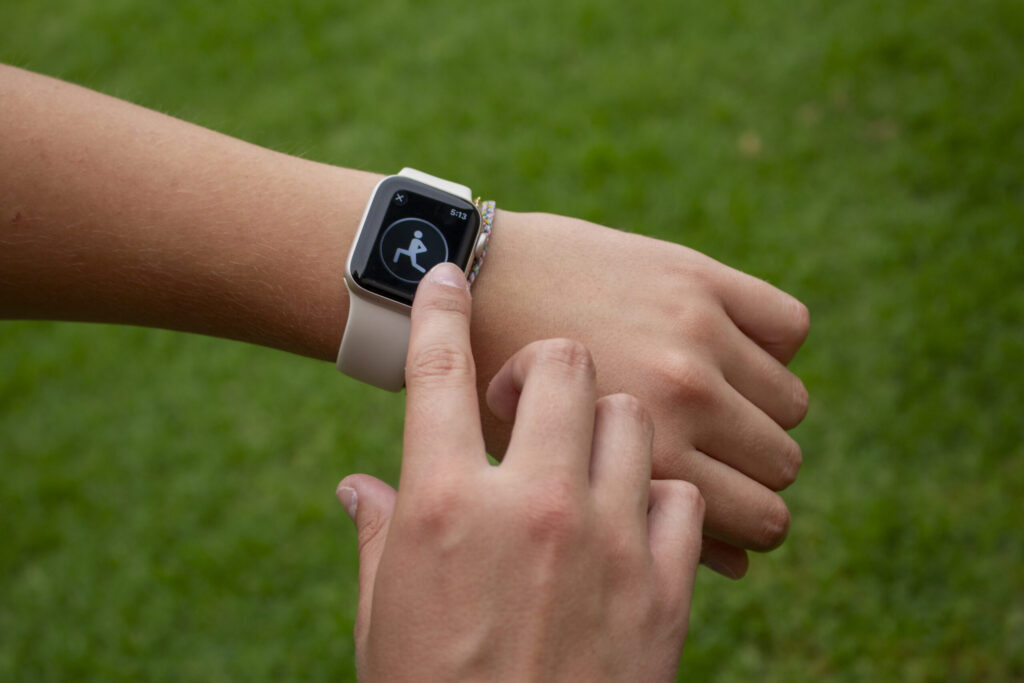
Technology like this helped athletes stay safer, better prepared and able to recover more effectively from sports injuries. The development of wearable technology enabled real-time tracking and analysis of an athlete’s performance and physical capabilities.
According to Lehigh University, “Wearable devices can track metrics such as heart rate, movement, and workload in real time.”
Real-time tracking allowed trainers and coaches to adjust training loads appropriately, which led to fewer injuries and less time away from training due to physical damage. Alexia Gonzalez, freshman health science major, used modern technology, such as wearable GPS devices, to track her activity and ensure she exercised appropriately.
“I use an Apple Watch to check my respiratory rate because it has helped me take care of my lungs and helped me train appropriately,” Gonzalez said.
Along with wearable technology, which allows real-time recording of multiple data points, artificial intelligence also entered the world of athletics. Gonzalez acknowledged the benefits of using this technology in recruiting athletes and the impact of detailed performance data.
“I think coaches using it to recruit can be beneficial in selecting a strong athlete—someone of good health can be a good candidate, better than other candidates of less physical capacity,” Gonzalez said.
Athletic programs used this technology to make more efficient decisions not only for athletes but for entire sports programs. Looking toward the future, technology may become more standardized and accessible to nonprofessional and lower-division athletic programs.

